Industrial
"Protection of the Production Chain, Reduction of Rate Peaks, and Supply Guarantee"
For a production plant, energy is a critical input. A micro-cut of milliseconds reprograms the automata (PLCs), stops the assembly lines, damages the raw material in process, and entails hours of cleaning and restarting. Our battery energy storage technology (BESS) and industrial hybrid inverters do not seek to "disconnect" the factory from the grid, but to safeguard its production process and drastically optimize the electricity bill.
Differentiation in the Productive Industry
⚡ Zero Second Response (Critical UPS)
Us: Ultra-fast transfer (less than 4 to 10 ms) that keeps production lines, extruders, robotics, and servers operational without restarts or data loss.
Competition: Slow switches or generators that take 10 to 30 seconds to start, interrupting production.
📉 Intelligent Peak Management (Peak Shaving)
Us: Algorithms that detect consumption in real-time and inject energy from the batteries when motors or machinery enter demand peaks, reducing the contracted power.
Competition: Passive self-consumption systems that do not manage the maximum demand of the factory.
🛡️ Inductive Starting Power
We: Industrial inverters with high overload capacity (Inrush current) to support the simultaneous start of large electric motors and compressors.
Competition: Equipment that locks up due to overcurrent when starting heavy machinery.
Elimination of Microcuts and Voltage Drops

The Challenge:
Fluctuations and microcuts in the public grid cause machinery stoppages, losses of entire production batches, and damage to control electronics.
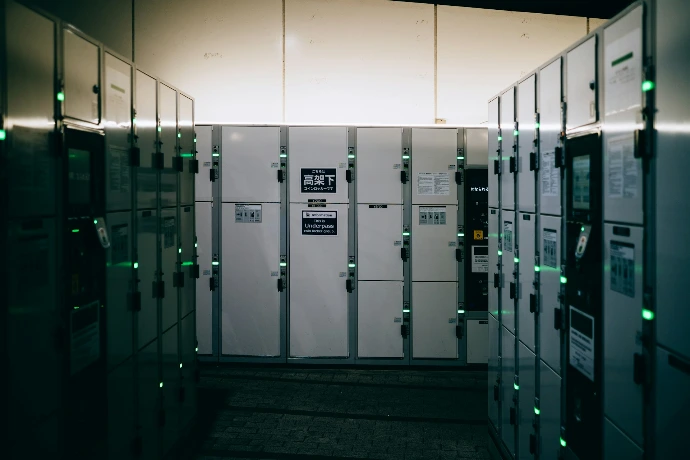
Online UPS / Grid-Forming Function:
The system absorbs any anomaly, harmonic, or voltage drop from the public grid, delivering a perfect and stabilized sine wave to the production line.
Optimization of the Power Term (Peak Shaving)
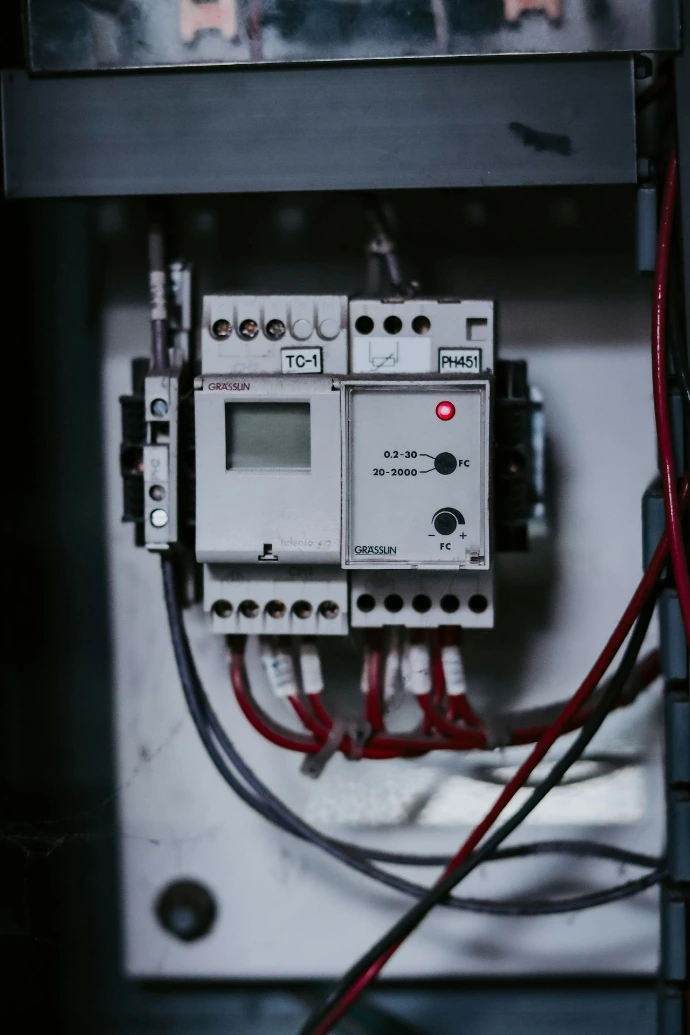
The Challenge:
Industries pay high penalties or astronomical rates for peak maximum demand when machinery starts during peak hours.
Smart Battery Injection:
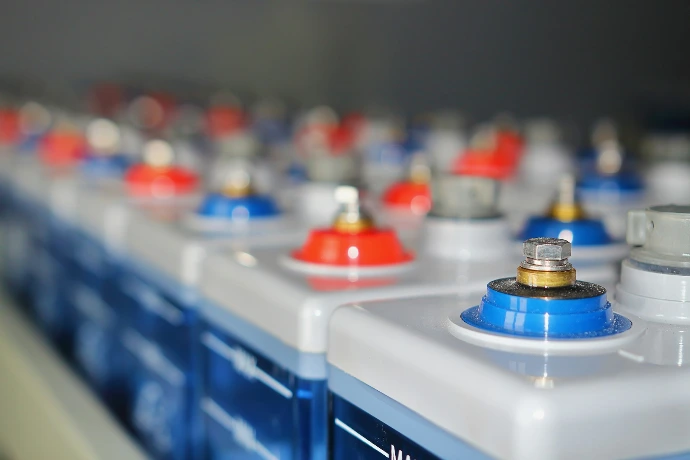
The BESS (Battery Energy Storage System) covers the peak consumption from the battery instead of demanding it from the grid, allowing the company to negotiate a much lower contracted power term with the distributor.
Energy Arbitrage (Energy Time-Shifting)
The Challenge:
Work in shifts where the cost of electricity per kWh is maximum according to the industrial tariff period.

Night Charging and Commercial Discharge:
Batteries are charged during the night or during super valley hours (or through the photovoltaic system on the roof) and the stored energy is discharged during the most expensive tariff hours in full production shift.
Hybrid Integration (Photovoltaic + Grid + Batteries + Diesel Generator)

The Challenge:
Maximize the use of the factory's solar roof without compromising stability when clouds pass or generation drops..
Industrial Microgrid Management (Microgrid Controller):
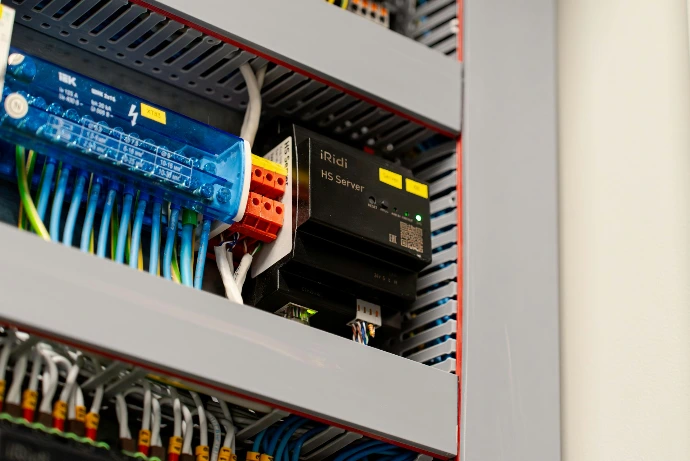
Automated orchestration of energy sources to ensure that the plant always operates with the most economical and safe source available.
Discover
our three main benefits
Accelerated Return on Investment (ROI):
Estimated payback of 2 to 3.5 years by replacing 100% thermal generation (diesel) with Solar + LFP Storage hybrid schemes..
Reduction of Technical Downtime Risk:
A single unplanned stoppage in an agro-industrial production line can cost more than the entire storage system.
Financial Predictability:
Total shielding against the volatility of diesel prices and transportation costs of fuel to remote areas.
Productos de calidad para proyectos reales y eficientes